A transformer purchase can go wrong before manufacturing begins if the technical schedule, loss guarantees, delivery milestone, and site interfaces are left unclear. By following each stage from load calculation and quotation through factory testing, transport, receipt, and commissioning, you can compare suppliers and receive equipment that fits the electrical system rather than merely matching a kVA figure.
Key takeaways
- Send load, voltage, frequency, site, and protection details before requesting a quotation.
- Compare vector group, impedance, taps, losses, cooling, and enclosure—not kVA alone.
- Require approved drawings, routine test reports, inspection dates, and delivery documents.
- Assign clear responsibilities for unloading, cabling, earthing, oil checks, and commissioning.
What to send a supplier before requesting a quotation
Send a purchaser-approved technical schedule before asking a distribution transformer supplier for a price. The distribution transformer order process becomes uncertain when the enquiry says only “500 kVA transformer”; the supplier can then choose a design that meets basic requirements but fails your system or budget.
- State rated kVA, HV and LV voltages, frequency, phase configuration, vector group, percentage impedance, tap range and tap position, tap-changer type, insulation levels, cooling class, conductor material, loss guarantees, temperature-rise limits, and applicable standard, such as IEC 60076.
- Identify indoor or outdoor installation, altitude, maximum and minimum ambient temperature, enclosure or IP rating, ventilation, noise limits, foundation constraints, cable-entry direction, and available space.
- Provide the neutral-earthing method, fault level, protection philosophy, metering requirements, surge-arrester location, and connections to the downstream panel.
- Confirm required accessories, delivery location, lifting restrictions, and who supplies HV terminations, LV cables or bus ducts, glands, plinth, fencing, fire protection, and oil containment.
Calculate rating from demand, not connected kW alone.
| Basis | Calculation | Required check |
|---|---|---|
| Maximum demand | Connected kW × demand factor ÷ power factor | Use measured demand where available |
| Group diversity | Sum of group maximum demands ÷ diversity factor | Do not apply diversity twice |
| Future capacity | Calculated kVA × (1 + expansion allowance) | State the planned percentage |
| Motor starting | Check starting kVA and voltage dip | Confirm the transformer tolerates the largest start |
Select the next standard kVA rating above the result, then verify acceptable continuous loading and starting performance.
Choose the transformer design and tap-changing method
Choose the design from the load’s electrical behaviour, site conditions, and voltage-control need—not from kVA alone. Ask the distribution transformer supplier to state the intended duty, cooling, insulation, enclosure, impedance, and tap arrangement in the technical schedule.
| Option | What it means | When it applies |
|---|---|---|
| Industrial distribution transformer | Steps medium voltage down for general plant loads, motors, lighting, and panels | Choose it for stable, mixed industrial demand |
| Furnace transformer | Delivers high current at low voltage under repeated, severe load changes | Use it for arc, induction, or resistance furnaces; verify short-circuit duty and impedance |
| Booster or regulating transformer | Adds or subtracts voltage to correct a feeder or bus voltage | Use it where voltage drop or fluctuating supply remains after normal transformer selection |
| Dry-type transformer | Uses solid insulation instead of liquid oil | Select it indoors, near occupied areas, or where oil containment and fire risk control dominate |
| OLTC transformer | Changes taps while energised and regulates voltage automatically | Choose it when the bus must hold a set voltage through changing load or incoming voltage |
| Off-circuit tap-changer transformer | Provides fixed tap positions changed only while de-energised | Choose it when the supply voltage is predictable and seasonal adjustment is enough |
Do not confuse an off-circuit tap switch with an OLTC. Require the documents to identify the normal tap, available steps, handle position, and the voltage condition for selecting another tap.
Cross-check the chosen transformer against the downstream panel’s LV voltage, fault level, neutral arrangement, incomer rating, CT ratios, protection settings, cable-entry direction, and phase sequence.
What to demand in the quotation, drawings, and factory tests
A comparable quotation starts with a purchaser-approved technical schedule, not a purchase order alone. State rated kVA, HV/LV voltage, frequency, phase, vector group, impedance, tap range and position, insulation levels, cooling class, conductor material, loss guarantees, temperature-rise limits and applicable standards. Name the exact edition and amendment of IS 1180 (Part 1) or IS 2026.
Require these quotation attachments and guarantees:
- Itemised price, taxes, freight, insurance, payment terms, warranty period and delivery milestone; separate manufacturing, inspection and dispatch periods.
- Guaranteed no-load and load losses, no-load current, impedance tolerance, temperature rise, sound level and efficiency.
- General-arrangement, nameplate, rating-and-loss, terminal, cable-box, earthing, lifting, foundation-load and oil-quantity drawings for approval before manufacture.
- Accessory schedule covering tap changer, oil-level and temperature indicators, pressure-relief device, drain and sampling valves, wheels, marshalling box and lifting lugs.
- Confirm whether the quotation includes the commercial invoice, packing list, test certificates, warranty certificate, transport documents and e-way bill when applicable.
| Factory evidence | Require | Acceptance basis |
|---|---|---|
| Electrical tests | Winding resistance, ratio, phase displacement and impedance | Approved schedule and named IS edition |
| Loss tests | No-load loss/current and load loss | Guaranteed values and stated tolerances |
| Dielectric tests | Applied and induced-voltage results | IS 2026 test schedule |
| Workmanship | Accessory, leak, finish and nameplate checks | Approved drawings and inspection checklist |
Make FAT release conditional on signed results, calibrated instruments, no open deviations and written acceptance; “FAT passed” alone is not a criterion. Approval of drawings does not transfer design responsibility to you.
Plan manufacture, dispatch, and transformer delivery in New Delhi
Set the delivery date against a measurable trigger: approved drawings, written release for manufacture, successful FAT, or receipt of the agreed advance. Do not count from the purchase-order date alone. State manufacturing lead time, inspection-notice period, dispatch period, and the buyer’s time for unloading and installation as separate contract durations.
A factory transformer supplier must submit the approved technical schedule and drawing package before production starts. Check the general-arrangement drawing, nameplate, rating and loss data, terminal and cable-box dimensions, earthing points, lifting provisions, foundation loads, oil quantity, and accessory list. Drawing approval does not transfer compliance responsibility from the supplier.
Use one dispatch file for every transformer:
- Purchase order and approved technical schedule
- Approved drawings and FAT report with signed release
- Routine-test certificates, calibration records, packing list, and warranty
- Nameplate data, oil documents, accessory list, and handling instructions
- Shipping weight, dimensions, centre of gravity, lifting points, and insurance papers
Plan transformer delivery in New Delhi with the vehicle type, route restrictions, road clearances, gate dimensions, crane capacity, lifting method, and permitted delivery hours confirmed in writing. Include HV terminations, LV cables or bus ducts, glands, surge arresters, neutral earthing, plinth, fencing, fire protection, and control wiring in the responsibility matrix; exclusions create variation orders.
At receipt, photograph the tank, bushings, radiators, conservator, valves, paint, nameplate, accessories, and shock indicators. Check for oil leakage and transport damage before signing an unqualified receipt. Sneh Raman Electricals Pvt Ltd should be evaluated on whether its delivery file and site checklist assign these checks clearly.
Related products
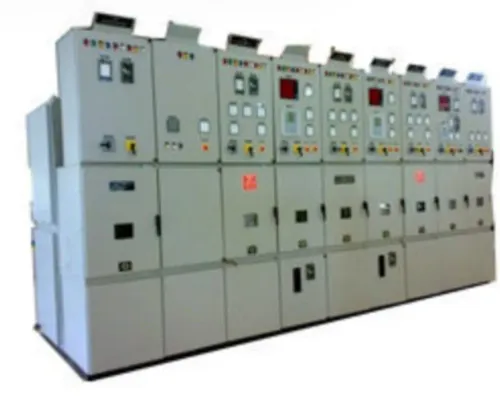
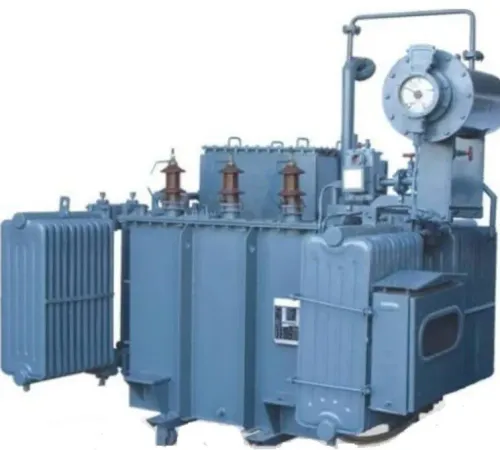
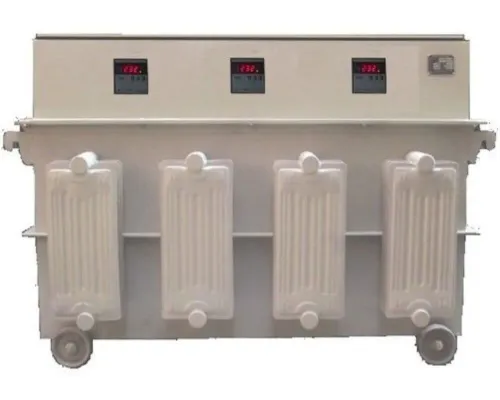
 | ELECTRICAL TRANSFORMER, BOOSTER & REGULATING TRANSFORMER, FURNACE TRANSFORMER, INDRUSTRIAL DISTRIBUTION TRANSFORMER, CONTROL PANEL, VOLTAGE STABILIZER TRANSFORMER & ELECTRICAL PANELS Providing you the best range of Electrical Transformer, Booster & Regulating Transformer, Furnace Transformer and Industrial Distribution Transformer... View product → |
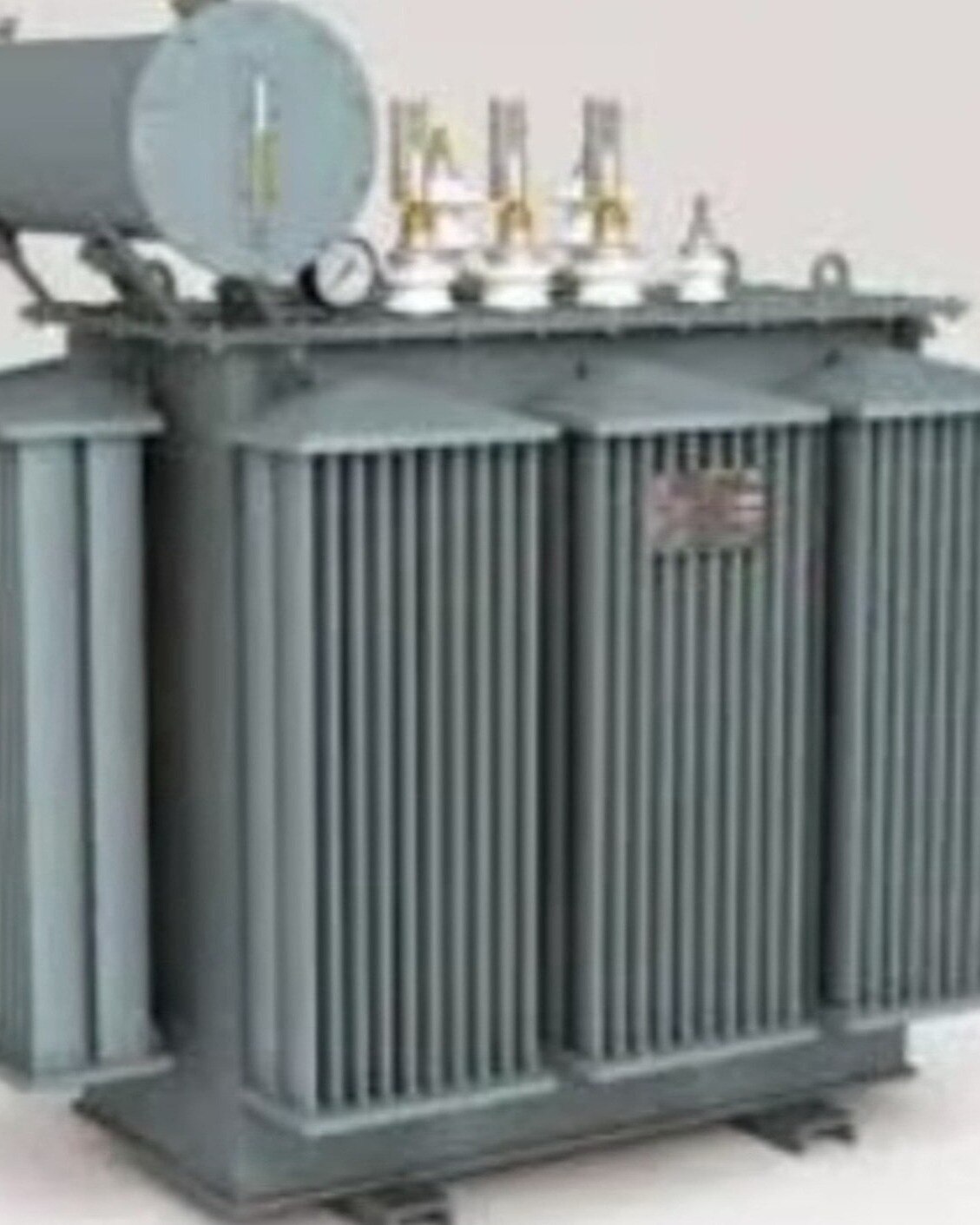
 | Transformer Being one of the renowned firms in the industry, we are involved in providing a high-quality array of OLTC Distribution Transformer. View product → |
Complete installation and commissioning without interface gaps
At transformer delivery in New Delhi, inspect the tank, bushings, radiators, conservator, valves, paint, nameplate, accessories, lifting points, and shock or tilt indicators. Check for oil leakage and record dents or missing items with photographs before signing the receipt.
Confirm the contract’s dispatch milestone and unloading time; a purchase-order date alone is not a delivery commitment.
Assign these responsibilities in writing before energisation:
- Supplier: installation drawings, foundation loads, oil quantity, accessory list, HV terminations, surge arresters, and warranty support.
- Civil contractor: plinth or rails, anchoring, fencing, fire protection, and oil containment.
- Electrical installer: LV bus ducts or cables, glands, cable boxes, control wiring, and phase sequence.
- Protection engineer: relay settings, CT ratios, neutral earthing equipment, interlocks, and trip tests.
- Testing contractor: insulation resistance, winding ratio, polarity, earth continuity, and specified oil tests.
- Panel supplier: matching LV voltage, fault level, incomer rating, short-time withstand, metering CTs, cable entry, and neutral arrangement.
| Interface | Assigned owner | Acceptance evidence |
|---|---|---|
| HV terminations and arresters | Electrical installer | Torque record and insulation test |
| Oil and conservator | Supplier or installer | Leak-free inspection and oil report |
| Earthing grid and neutral | Earthing contractor | Continuity and resistance results |
| Protection and panel | Protection engineer | Secondary-injection and trip records |
Energise only after the selected tap matches system voltage, all covers and guards are fitted, oil level is correct, and signed test records close every interface.
Frequently asked questions
What information should you send before requesting a transformer quotation?
Send rated capacity, primary and secondary voltages, frequency, phase arrangement, vector group, impedance, tap range, installation location, cooling method, enclosure requirements, and applicable standards.
How do you choose a transformer’s tap-changing method?
Use an off-circuit tap changer when voltage adjustments occur only while de-energised; specify an on-load tap changer when the system requires voltage control during operation.
What should a transformer quotation and factory test package include?
Require a technical datasheet, guaranteed losses, impedance, dimensions, approved drawings, delivery schedule, warranty terms, routine test results, and inspection or witness-test arrangements.
What must be coordinated for transformer delivery and commissioning in New Delhi?
Confirm transport access, lifting points, unloading equipment, storage, inspection on arrival, cable and earthing interfaces, protection settings, oil checks, and energisation responsibilities.