A metering-panel fault can originate in the utility meter, CT circuit, incomer, busbars, protection devices, neutral, or a monitoring display. You will be able to establish the safe diagnostic boundary, collect evidence, choose the right service provider, and verify that the repaired panel is fit to return to operation.
Key takeaways
- Isolate the customer-side supply when smoke, arcing, exposed conductors, or severe heating appears.
- Check utility seals, incoming voltage, and meter display before opening the customer panel.
- Match insulation, continuity, torque, and thermal tests to the suspected fault.
- Request a written fault report, replaced-parts list, test results, and maintenance schedule.
Start with a safe fault-triage boundary
Start by making the panel safe, not by resetting the meter. If there is a burning smell, smoke, exposed conductor, severe heating, arcing, or repeated tripping, keep people clear, isolate the customer-side supply through the approved procedure, and call a qualified electrical professional.
Never open an energized meter compartment, break a utility seal, or repeatedly reset protection without finding the cause.
Check these points in order:
- Confirm whether the fault affects the display only, the incoming supply, outgoing feeders, or the whole installation.
- Measure incoming and post-incomer voltage using the approved isolation and test procedure; record each phase-to-neutral voltage, phase sequence, and phase-to-phase voltage.
- Inspect fuses, links, terminal blocks, busbars, CT chambers, and cable terminations for an open circuit, loose connection, discoloration, or overheating.
- Check the neutral link and termination. A loose, shared, or incorrectly terminated neutral can create false overvoltage readings, phase imbalance, nuisance trips, and incorrect registration.
- Check CT secondary circuits only through shorting links or a dedicated test terminal block. Never disconnect an energized CT secondary; the open circuit can generate lethal voltage.
- Treat a blank or abnormal display as a symptom, not proof of meter failure. Loss of auxiliary supply, a blown control fuse, reversed CT polarity, or communication failure can produce the same result.
Record the panel nameplate, meter and CT serial numbers and ratios, alarm or trip history, seal condition, photographs, and recent test report before requesting three-phase metering panel service. Keep utility-owned meter testing and seal work with the distribution licensee.
Separate a utility-meter problem from a customer-side panel fault
A blank display does not prove a failed meter. Check whether the incoming voltage reaches the meter supply, whether control fuses are intact, and whether the panel’s indication circuit has power. A missing phase current can come from a blown fuse, loose terminal, open CT secondary, reversed CT polarity, or a communication fault.
Treat the utility meter, its seals, and revenue-meter wiring as utility-controlled equipment. Do not open that compartment, break a seal, or remove CT secondary wiring while primary current flows.
The panel manufacturer can inspect the enclosure, busbars, fuse links, CT chamber, terminal blocks, and customer-side cables; coordinate meter testing and seal work with the distribution licensee.
Before requesting an electrical panel board manufacturer for meter panel repair support in New Delhi, collect evidence that fixes the ownership boundary:
- Photograph the panel nameplate, meter and CT serial numbers, seals, terminals, cable glands, corrosion, burning, and any condensation without disturbing them.
- Record the single-line diagram, CT ratio, meter ratio or multiplier, phase-to-neutral voltages, phase sequence, fuse continuity, and CT secondary-current readings taken by an authorised electrician.
- Save the last test report, calibration certificate, alarm and trip history, abnormal kWh readings, and the exact time the fault began.
- Obtain the utility complaint number and written confirmation if its meter, seal, or service cable is involved.
Nuisance tripping, overheating, or a burning smell points toward customer-side investigation; incorrect billing or a sealed meter failure requires utility coordination. Ask the manufacturer to state which parts it owns, which tests it will perform, and whether repair or replacement follows a like-for-like design.
Match each inspection and test to the fault
Begin with the fault symptom, then choose the test that can prove or eliminate its likely cause.
| Fault clue | Inspection or test | Use it when |
|---|---|---|
| Dead or abnormal display | Measure incoming and post-incomer voltage, each phase-to-neutral voltage, control-fuse continuity, and auxiliary supply | The meter is blank, restarting, or showing missing phases |
| Wrong kWh, export, or phase values | Record phase sequence, CT polarity, CT ratio, phase correspondence, and secondary current on each phase | All phases have voltage but registration is implausible |
| One missing current or unstable reading | Inspect CT terminals and shorting links; measure CT secondary current with approved test terminals | A phase current is absent or differs sharply from the load |
| Imbalance, nuisance trips, or apparent overvoltage | Check neutral termination, shared-neutral connections, phase-to-neutral readings, and overheated or loose joints | Voltage varies by phase or protection operates without an obvious short |
| Burning smell or hot connection | Isolate safely, inspect busbars, fuses, links, terminals, and cable lugs; use thermal imaging after load is restored | Discoloration, melting, or local heating is visible |
| Suspected cable or insulation damage | Perform continuity and insulation-resistance tests only on an isolated, discharged circuit | The fault remains after visual and voltage checks |
For a three phase metering panel service, never disconnect an energized CT secondary; use shorting links or a dedicated test block. Do not open a utility-sealed meter compartment. Record the readings, terminal condition, and test instrument details so the repair decision is traceable.
Specify the repair support you actually need
Ask for a written repair scope, not a generic site visit. Your brief to an electrical panel board manufacturer—meter panel for repair support in New Delhi—must show the fault boundary, required access, expected response, and evidence needed to restore compliant revenue metering.
Include these points in the request:
- Panel nameplate, single-line diagram, meter serial number, CT and PT ratios, recent test report, trip history, photographs of terminals and seals, and the utility complaint number.
- A remote triage call before dispatch, followed by a named site-attendance time and the technician’s required tools, test instruments, and safety access.
- Explicit ownership: the technician may inspect the enclosure, busbars, fuses, links, CT chamber, terminal blocks, and customer cabling; the utility must handle meter testing, seal removal, and revenue-meter wiring.
- Parts availability and lead time for CTs, fuses, links, meters, terminal blocks, gaskets, cable glands, and enclosure hardware.
- Written repair-versus-replacement criteria, including corrosion, water ingress, damaged insulation, overheating, and obsolete components.
- Confirmation that CT secondaries will remain shorted through approved links or a test terminal block; nobody should disconnect an energized CT secondary.
- Post-repair insulation, polarity, phase-sequence, ratio, torque, and functional tests, with torque values and tool-calibration status recorded.
- Warranty exclusions for utility equipment, broken seals, unauthorized alterations, and modifications requiring a revised design review.
A meter panel board manufacturer in New Delhi, including Sneh Raman Electricals Pvt Ltd, should state whether each change is like-for-like or requires new verification for temperature rise, short-circuit withstand, creepage, EMC, or IP protection.
Related product
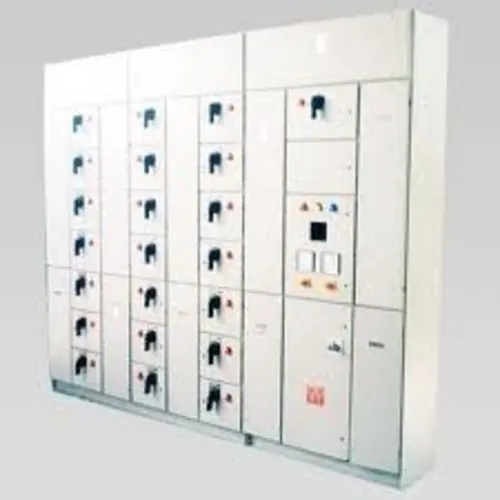
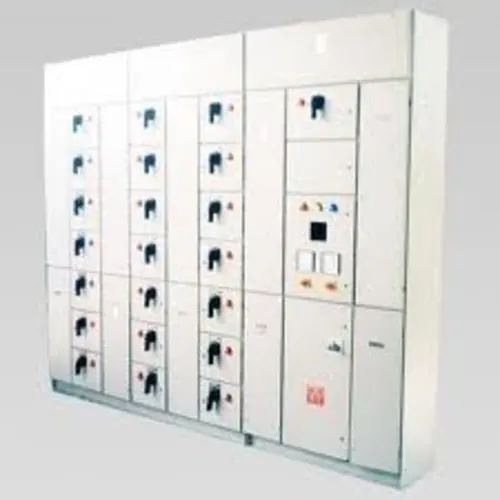
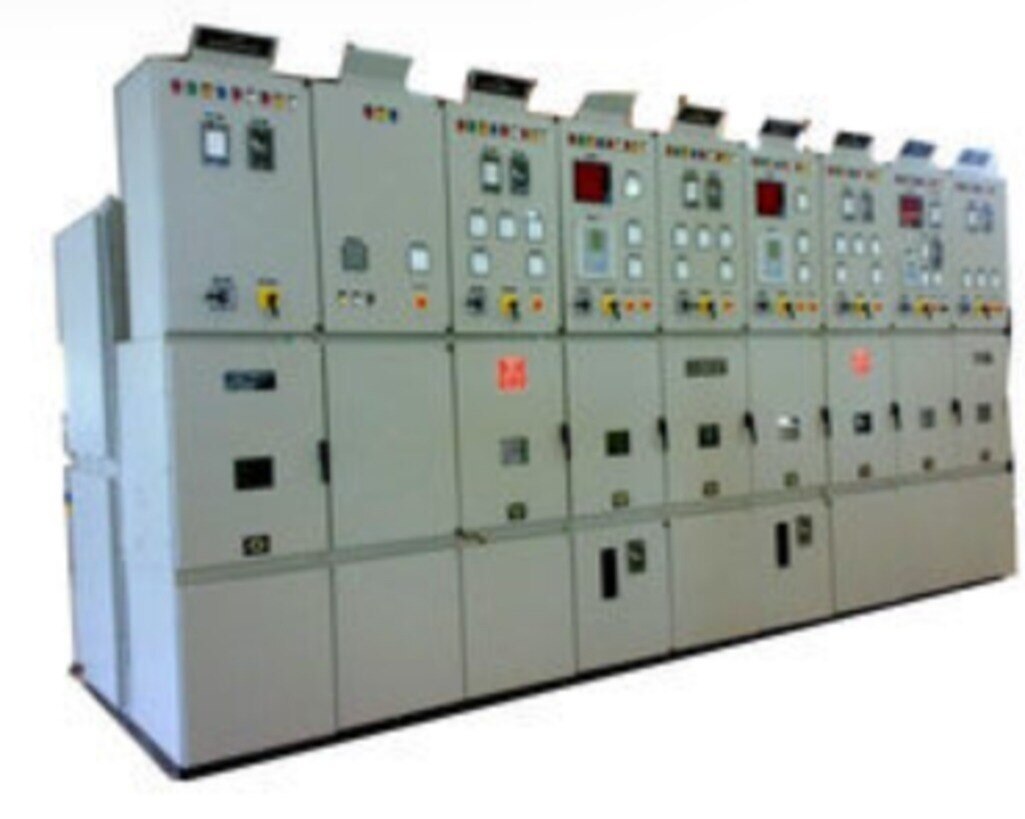
 | Meter Panel Board 3 - Phase Metering Distribution Panel Being a leader in the industry, we are engaged in offering a qualitative range of Metering Distribution Panel to our customers. View product → |
Close the repair with records and preventive maintenance
Do not return the panel to service until the repaired circuit has passed its applicable tests, the utility seal status is recorded, and an authorised person has signed the release. Never remove a meter seal or alter utility-owned wiring without the distribution licensee’s attendance; document the utility complaint number and technician’s name.
Record these close-out items and checks:
- Updated single-line diagram, terminal schedule, and before-and-after photographs, including seals and enclosure condition.
- Meter and CT serial numbers, CT ratio, polarity, phase sequence, and three-phase voltage and current readings.
- Insulation-resistance and continuity results where applicable, plus calibration or test certificates.
- Torque values for verified joints, the torque-tool calibration status, and any inaccessible connection.
- Neutral-link identification, correct termination, approved isolation, and evidence that no shared or loose neutral remains.
- Gasket, cable-gland, drain or breather, corrosion, dust, condensation, ventilation, and required IP-protection checks.
- Name, signature, and date of the person authorised to energise the installation.
Keep this dossier with the meter bills and maintenance history. It provides a defensible comparison if consumption later changes or a billing dispute alleges incorrect registration.
Include metering distribution panel maintenance in the scheduled plan, with repeat inspections after heavy rain or abnormal heating. Ask a meter panel board manufacturer in New Delhi to state the response boundary, utility-coordination duty, post-repair tests, replacement criteria, and warranty exclusions in writing.
Frequently asked questions
How do you safely triage a metering panel fault?
Keep people clear, avoid resetting a hazardous installation, and isolate the customer-side supply through the approved procedure. Call a qualified electrical professional for smoke, arcing, exposed conductors, severe heating, or repeated tripping.
How can you separate a utility-meter problem from a customer-side panel fault?
Check the meter display, utility seals, incoming supply, and the condition of customer-side terminals and conductors. Do not break a utility seal or interfere with the meter; ask the electricity distributor to investigate sealed equipment.
Which tests match common metering panel faults?
Use voltage and phase-sequence checks for supply faults, continuity checks for open conductors, insulation-resistance testing for leakage, torque verification for loose terminals, and thermal inspection for overheating.
What repair support should you request from a panel board manufacturer?
Request a site inspection, fault diagnosis, safe isolation plan, compatible replacement parts, repair scope, test results, drawings or wiring updates, and a written completion report.
What records should close a metering panel repair?
Keep the fault report, photographs, test readings, torque values, replaced-parts list, updated schematic, utility correspondence, and recommended preventive-maintenance interval.