Rainwater, condensation, seepage and humidity can turn a sound distribution board into a source of corrosion, tracking, leakage trips and short circuits during New Delhi’s monsoon. You will be able to select an appropriate enclosure rating, prevent water entry, check the installation site, compare construction details and maintain or isolate a wet board safely.
Key takeaways
- Specify a tested IP rating under IEC 60529, not an unverified “weatherproof” claim.
- Seal cable entries and keep the board above flood-prone floors and splash zones.
- Inspect for condensation, corrosion, tracking and nuisance trips after heavy rain.
- Isolate wet equipment before opening the enclosure or resetting protective devices.
What Monsoon Protection Really Means for a Distribution Board
Distribution board monsoon protection means controlling rainwater entry, condensation, humidity damage, corrosion, electrical tracking, short circuits and nuisance tripping. An IP rating under IEC 60529 is the starting specification; “weatherproof” alone tells you nothing about tested performance.
- IP54 suits a protected indoor plant room or covered area with limited splash exposure.
- IP55 suits locations exposed to heavier splash or water jets.
- IP65 suits areas needing dust-tightness and stronger water-jet protection.
A power distribution board manufacturer for monsoon in New Delhi should select the rating from the actual location, not from the season alone. The first IP digit addresses solids and the second addresses water, but no rating by itself guarantees protection from condensation, corrosive air, leaking cable glands or pressure washing.
The stated rating applies to the complete tested enclosure, including doors, gaskets, gland plates, locks and cable entries. A certified breaker does not make an incorrectly sealed board IP-rated.
IP54, IP55 and IP65 are water-resistance classifications, not flood protection. Do not energise any board after immersion, standing-water entry or flood exposure. A basement or flood-prone installation needs elevation, drainage and a site-specific flood-control plan; choosing a higher IP number cannot replace those controls.
How to Stop Rainwater, Seepage and Condensation Entering the Board
Stop water at every joint, entry and low point; effective distribution board monsoon protection is a checklist, not a weatherproof label.
1. Specify each cable gland for the cable’s actual outside diameter and sealing range. Fit the locknut and sealing washer, tighten the gland correctly, and close every unused gland hole with an approved blanking plug.
2. Inspect door gaskets, panel joints, removable gland plates, locks and upward-facing seams. Replace any seal that is cracked, hardened or compressed, because a small gap can let wind-driven rain reach terminals.
3. Use a sloped top, drip edges, a canopy or drip shield, plus accessible drain points. Keep ordinary open louvers out of the IP-enclosure calculation; they are not equivalent to a tested enclosure.
4. Where heat dissipation or pressure equalisation is necessary, specify a rated breather drain or filtered vent positioned away from splash paths. An unprotected opening can defeat the enclosure during a humid storm.
5. Control condensation as well as rain. A sealed board can collect water when its surface falls below the dew point after a power outage, humid night or rapid temperature change.
6. For a large or exposed board, consider a thermostatically or hygrostatically controlled anti-condensation heater with an auxiliary supply, safe clearance from terminals and cable insulation, and overheat control. The heater cannot cure a leaking gland or failed gasket.
Record these checks separately during industrial power board maintenance, before the monsoon and after severe weather. Inspect the lowest enclosure area without dismantling live equipment.
Which Board Construction and Electrical Details Should You Compare?
Compare the complete assembly, not a “weatherproof” label or thicker sheet. Ask which IP rating under IEC 60529 applies to the finished board, including doors, gaskets, gland plates and cable entries.
| Detail | What to compare | Failure prevented |
|---|---|---|
| Enclosure and finish | Material, pretreatment, powder-coating system, film finish and corrosion-resistant hardware | Rust, blistering and seized fasteners |
| Sealing and drainage | Replaceable gasket quality, removable gland plate, blanking plugs, sloped canopy or drip shield, and accessible drain points | Rain entry and trapped water |
| Internal protection | Busbar insulation, shrouds, clearances and protective-earthing arrangement | Tracking, faults and unsafe touch voltage |
| Cable entry | Gland sealing range, locknuts, sealing washers and unused-hole closure | Loss of enclosure protection at installation |
Request IEC 61439 design verification for the completed assembly: temperature rise, dielectric properties, short-circuit withstand, protective-circuit continuity and enclosure protection. A breaker certificate does not verify the finished board.
Match the board to the load schedule. Check:
- Rated current and short-circuit withstand rating
- Incoming and outgoing ways, phase arrangement and breaker configuration
- Neutral bar, earth bar and cable sizes
- Available fault level, diversity assumptions and spare ways
A power distribution board manufacturer in New Delhi should review these details before fabrication. An experienced power distribution board manufacturer for monsoon in New Delhi, such as Sneh Raman Electricals Pvt Ltd, can test the installation conditions and schedule against drainage, corrosion and service access instead of treating monsoon protection as paint or sheet thickness.
Related products
 | Distribution Board We are successfully meeting the varied needs of our patrons by offering a wide gamut of Distribution Board as per their precise needs. View product → |
 | Meter Panel Board 3 - Phase Metering Distribution Panel Being a leader in the industry, we are engaged in offering a qualitative range of Metering Distribution Panel to our customers. View product → |
How Should You Position and Prepare a Board at a New Delhi Site?
Distribution board monsoon protection starts with the site, not the enclosure. Before installation, inspect the roof above for leaks, check walls for seepage, clear blocked drains, and confirm standing water cannot reach the board base.
1. Keep the board away from leaking water pipes, condensate lines, drainage routes, washdown spray, and direct rain. Provide floor clearance or a raised plinth where water can accumulate, and keep the lowest cable entry above splash level.
2. Maintain enough wall and front clearance for inspection, termination work, and cable replacement. Confirm that every door opens fully without blocking an escape route or maintenance path.
3. During the pre-monsoon inspection, record humidity, dust mixed with moisture, rust marks, water trails, damaged paint, and any low point where water collects. These records give industrial power board maintenance teams a baseline for comparison after severe weather.
4. Treat lightning and utility disturbances as a separate electrical risk. Specify a coordinated surge-protective-device scheme with the correct SPD type and voltage rating, backup overcurrent protection, short connecting conductors, and an effective earthing and bonding path.
An SPD cannot correct poor earthing, long connection leads, or a wet, deteriorated board. Confirm its status indicator during commissioning and record the result separately from enclosure and drainage checks.
Condensation also deserves attention: a humid night, outage, or rapid temperature change can cool internal surfaces below the dew point and leave water inside a sealed board.
What Maintenance and Isolation Steps Apply After Wet Weather?
A wet or suspect board requires inspection before any reset or opening. Keep separate pre-monsoon and post-weather-event records so a new water mark, corroded termination or repeated trip is not mistaken for an old defect.
| Record | Inspect | Record the response |
|---|---|---|
| Pre-monsoon | Door and gland seals, drainage, heater and thermostat operation, SPD status indication, termination torque condition | Repair failed seals, clear drains, test heater controls and document baseline photographs |
| Post-weather-event | Water marks, rust, white corrosion, tracking, termination condition, and evidence of RCD or breaker operation | Isolate affected sections, investigate moisture and leakage, and attach test results |
Before opening, follow a documented isolation and lockout procedure. Identify the normal incomer, generator, UPS, automatic-transfer equipment and every back-fed circuit, then verify absence of voltage at the board and outgoing circuits. Capacitors and alternate supplies can remain energised after the normal breaker opens.
- Do not re-energise a board after immersion.
- Isolate affected sections, dry and clean them, then inspect for tracking and corrosion.
- Perform insulation-resistance testing only after disconnecting equipment that the test voltage could damage.
- Investigate humidity-related RCD or RCCB trips circuit by circuit for leakage, contaminated insulation and neutral-earth faults. Never bypass the device or increase its trip current without a shock-protection assessment.
For industrial power board maintenance, use thermography under meaningful load and compare phases, like-for-like connections and historical images. It finds hot connections; it does not prove the board is dry or isolated. This disciplined response is central to distribution board monsoon protection.
Frequently asked questions
What does monsoon protection mean for a distribution board?
It means preventing rainwater, seepage and condensation from reaching live parts while limiting humidity damage, corrosion, electrical tracking, short circuits and nuisance tripping. Use an enclosure IP rating tested under IEC 60529 as the starting specification.
How can you stop rainwater, seepage and condensation entering a board?
Use a correctly rated enclosure, seal cable entries with suitable glands, close unused openings, repair damaged door seals and keep the board away from direct spray. Control condensation with ventilation or anti-condensation measures suited to the enclosure and site conditions.
Which construction and electrical details should you compare?
Compare the IEC 60529 IP rating, enclosure material, door and gasket design, cable-gland arrangement, corrosion protection, busbar insulation, earthing, short-circuit withstand rating and the protection devices specified for the connected loads. Ask for test documentation instead of relying on the word “weatherproof”.
How should you position and prepare a board at a New Delhi site?
Install it above areas exposed to flooding or floor washdown, protect it from roof leaks and driving rain, provide clear working space, route cables so water cannot run into entries, and finish the surrounding wall or plinth to prevent seepage.
What maintenance and isolation steps apply after wet weather?
Isolate the affected circuit before opening the board. Check for moisture, condensation, corrosion, tracking marks, damaged insulation, loose terminations and repeated tripping; dry and test the equipment before re-energising it, and replace damaged seals or components.
Related product
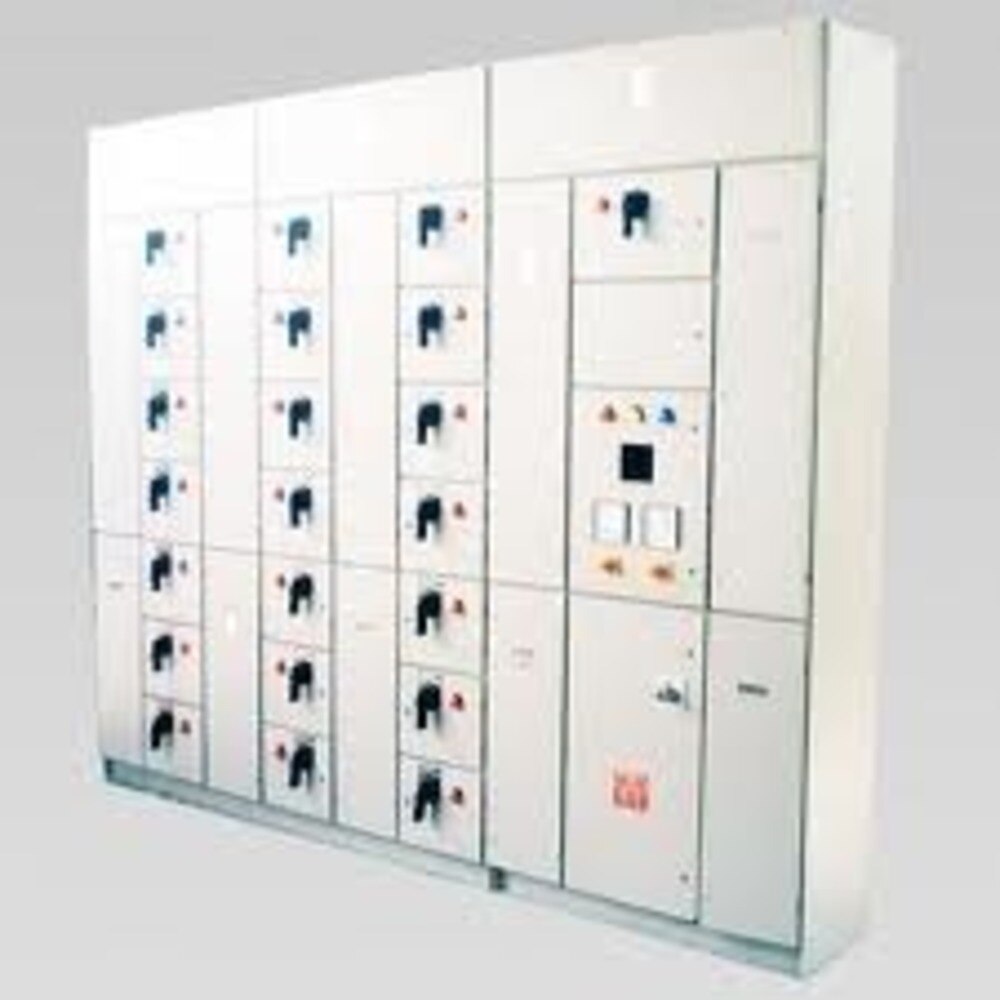
 | LT Distribution Panel We are successfully meeting the varied requirements of our clients by providing the best quality range of LT Control Panel. View product → |